
Thoughts on Design:
An interview with the Man behind the name
Who or what are your biggest creative influences?
“I was trained in both environmental and interior design and began my career working alongside modernists. But it was an extended trip abroad that sparked a deep appreciation for historical architecture—and I was instantly captivated. I’m drawn to the interplay between old and new, the tension and harmony that emerge when history is layered with modernity. My influences span both architects and decorators, from Sir John Soane, Mies van der Rohe, and Le Corbusier to Jean-Michel Frank, Billy Baldwin, and Albert Hadley.”
How would you describe your approach?
“Every project is a true collaboration. I take time to get to know my clients—their tastes, stories, and aspirations—and help them articulate a clear vision that reflects their individuality. My role is to guide them thoughtfully through the design process, balancing their personal style with the principles of classic design.
The best results happen when there’s a clear vision, a defined budget, and the creative freedom to bring it all together. When clients trust the process and communicate openly, we can create spaces that not only meet expectations but also exceed them.
I don’t believe in a signature ‘look’ because no two clients are alike. Each project is a unique expression of the people who live in it—personal, enduring, and effortlessly livable. About 70% of my work comes from repeat clients, and over the years, I’ve had the privilege of designing for them across the country and even around the world. These relationships, built on trust and shared vision, often evolve into lasting friendships.”
What’s your process like when working with a new client or space?
“My process is both methodical and highly personal, beginning with an in-depth conversation to understand the client’s goals, lifestyle, and vision. I want to know how they live, work, entertain, and what makes this the right moment for change. I also explore their past experiences with designers to ensure a smooth, comfortable collaboration.
From there, I document the existing space—either through architectural plans or on-site measurements—to get a clear picture of its layout and potential. As a space-planning enthusiast, I focus first on function and flow, creating a conceptual foundation for how the space will work before considering how it will look.
Once the functional framework is in place, I layer in aesthetics—refined, cohesive, and tailored to the client’s personality and needs. I present this initial concept for feedback, refining it collaboratively to ensure the design, budget, and scope are perfectly aligned.
The final stage is selecting furnishings, finishes, lighting, and accessories. Every detail is chosen with intention, so the finished space feels effortless, beautiful, and truly livable.”
What does “good design” mean to you?
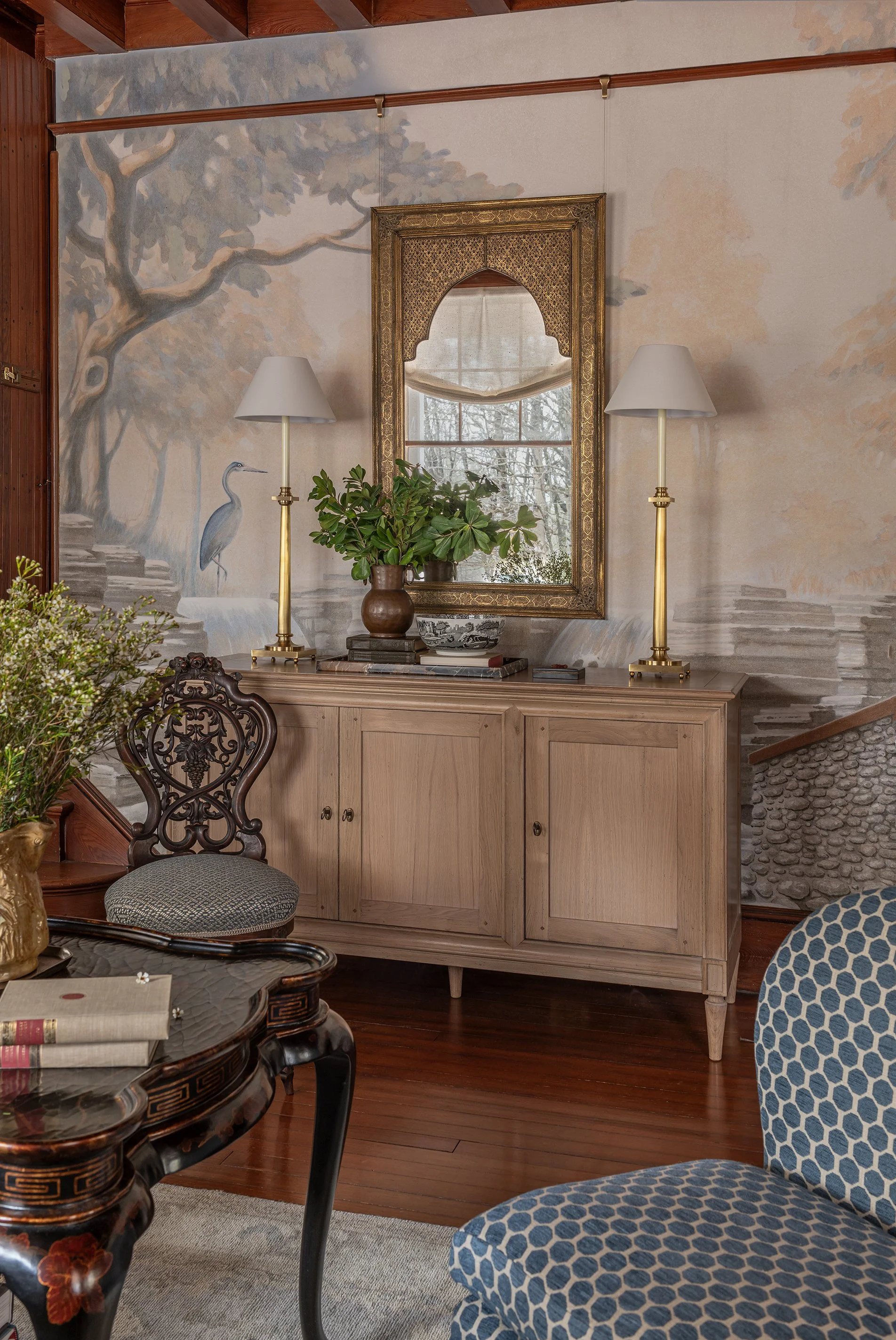
“Good design is always timeless. It doesn’t chase trends or rely on gimmicks. That doesn’t mean it can’t be playful or surprising—we absolutely embrace creativity—but it should have a quiet confidence and enduring quality. The best spaces feel considered, comfortable, and completely unique to the people who inhabit them.”
Do you favor any type of project (residential, hospitality, historic renovations, etc.)?
“I’m especially drawn to properties with a history. There’s something incredibly meaningful about honoring what came before while contributing to the next chapter. My goal is always to add to the collective story of a place—respecting its past while designing for how people live today.”
Do you work directly with your clients’ architects, builders, artists, and other creatives?
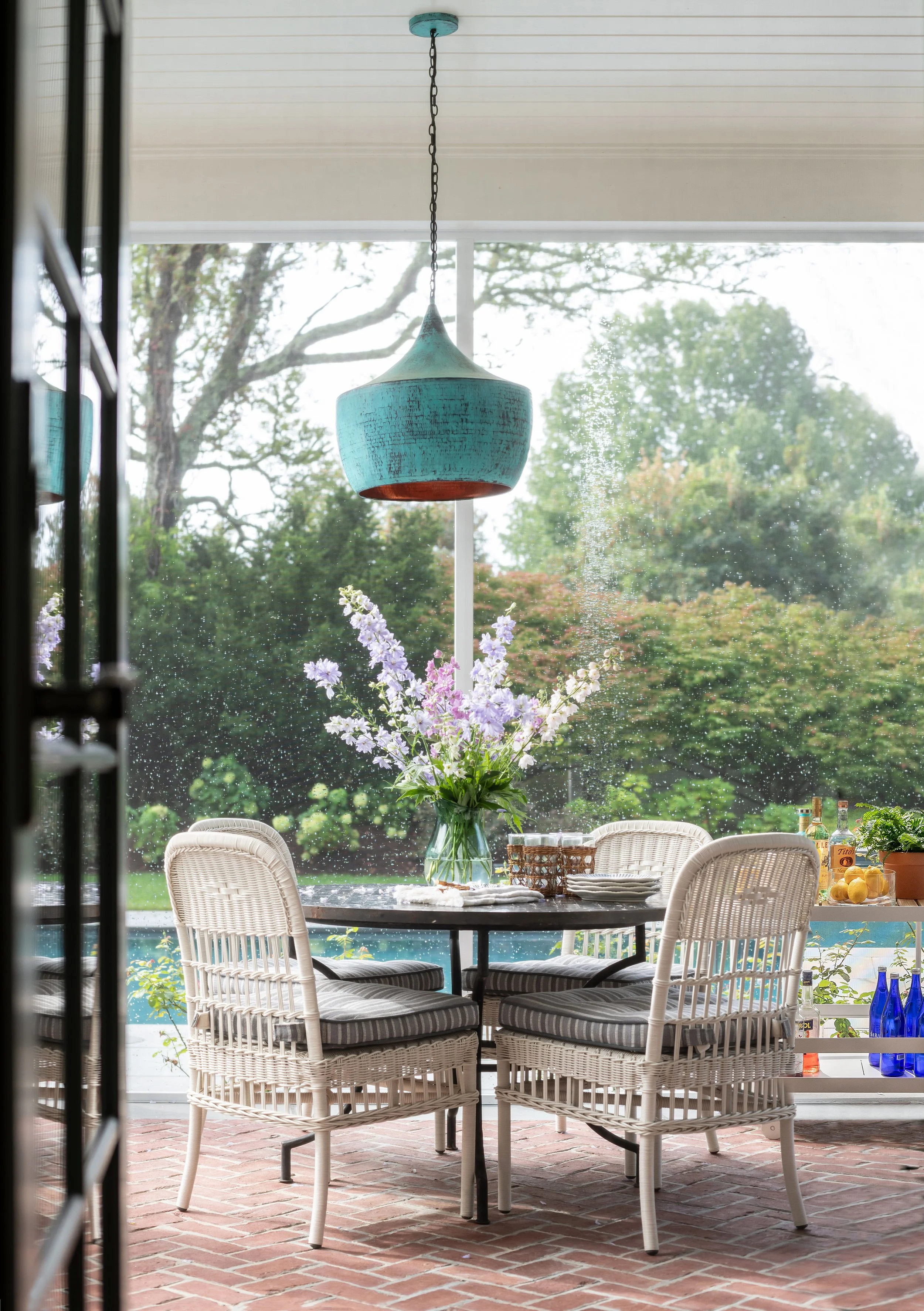
“We thrive on collaboration—with architects, builders, craftspeople, and artisans—grounded in mutual respect and a shared commitment to excellence. These relationships foster open dialogue and creative problem-solving, allowing us to integrate diverse perspectives and deliver work that is not only beautiful but also thoughtfully and expertly crafted.”